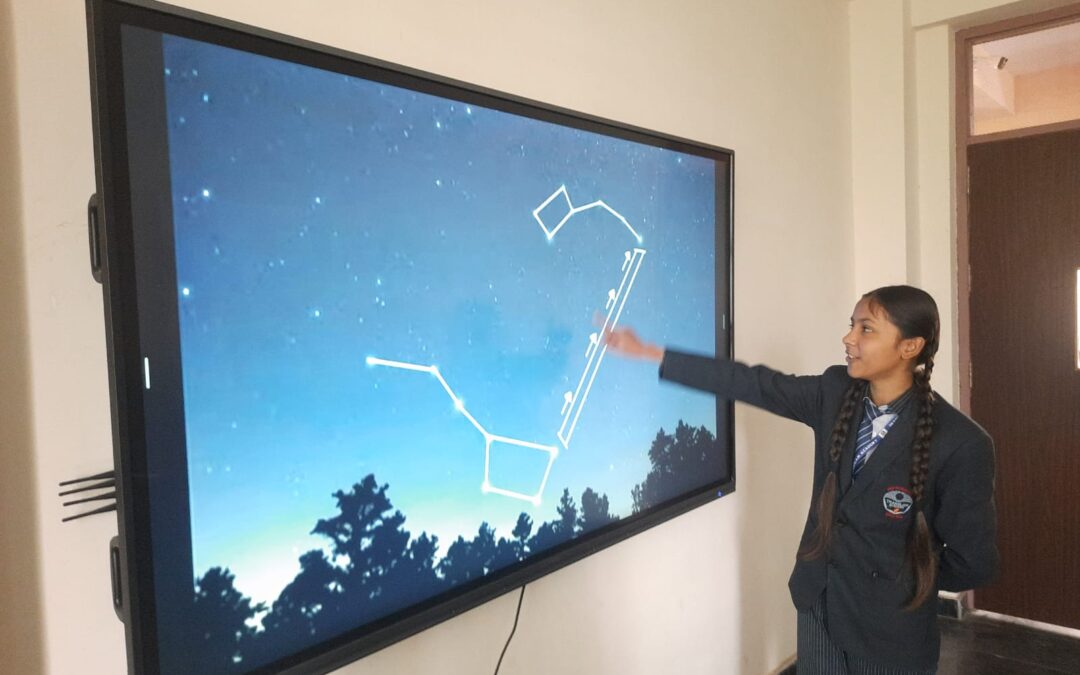
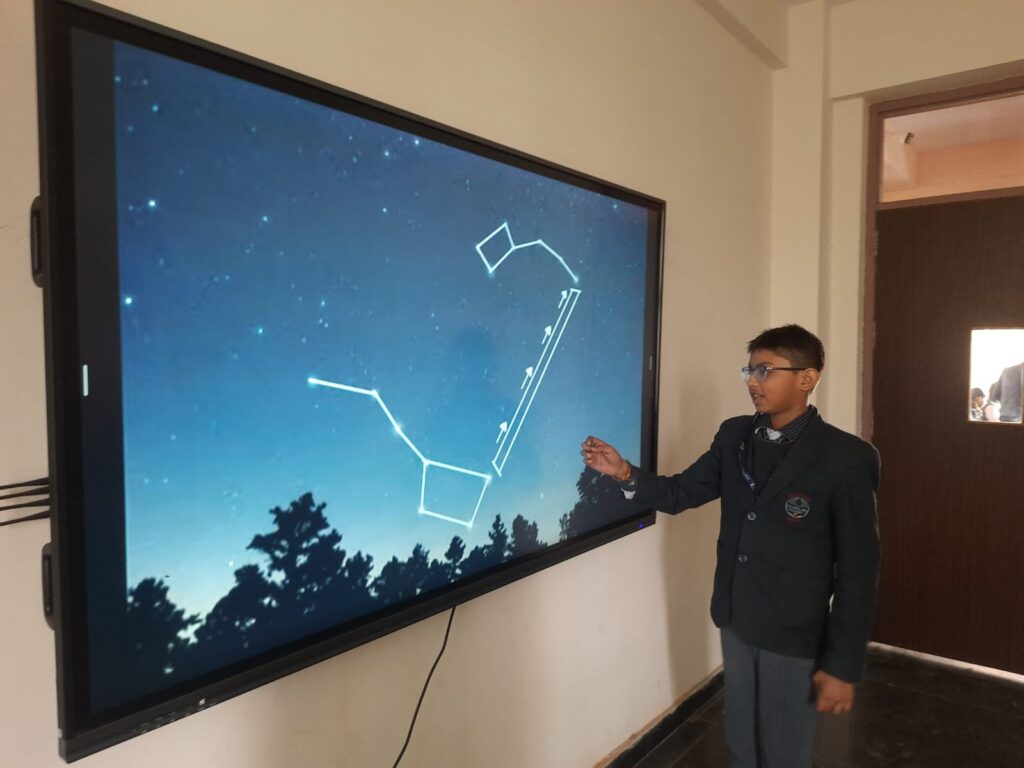
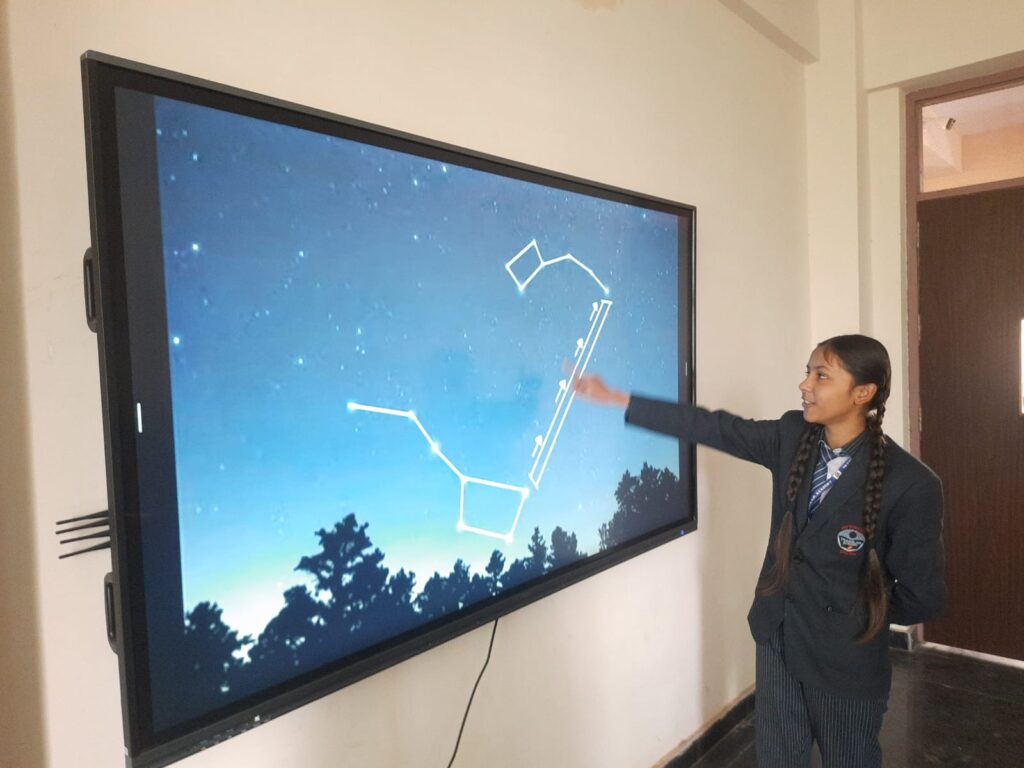
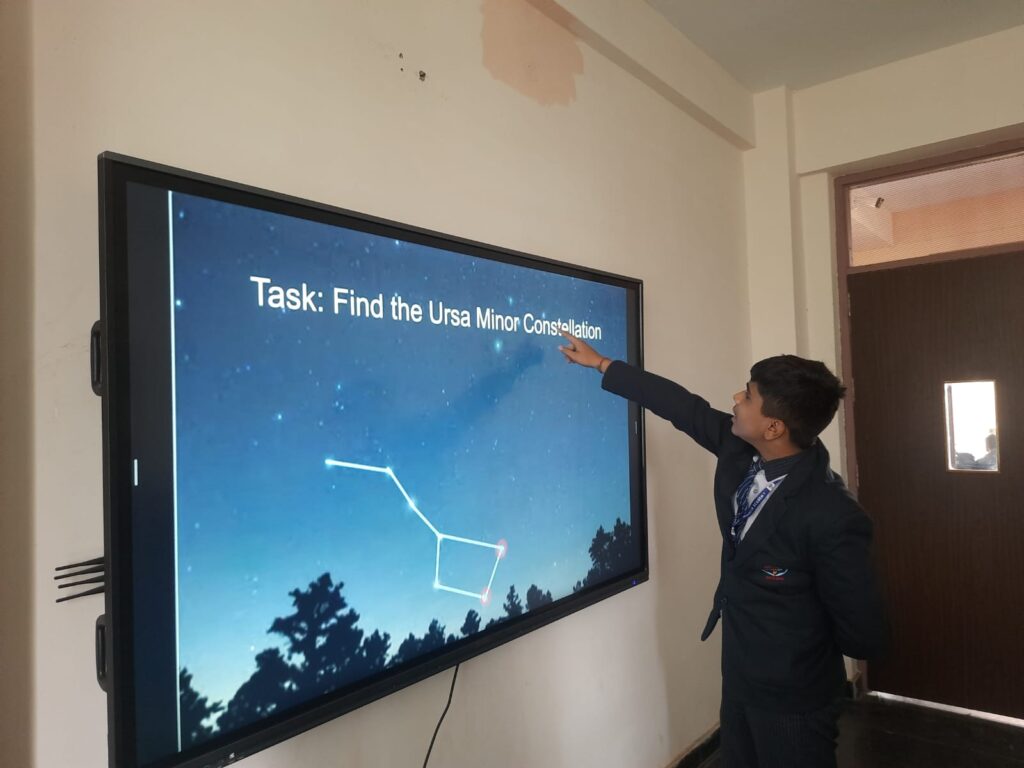
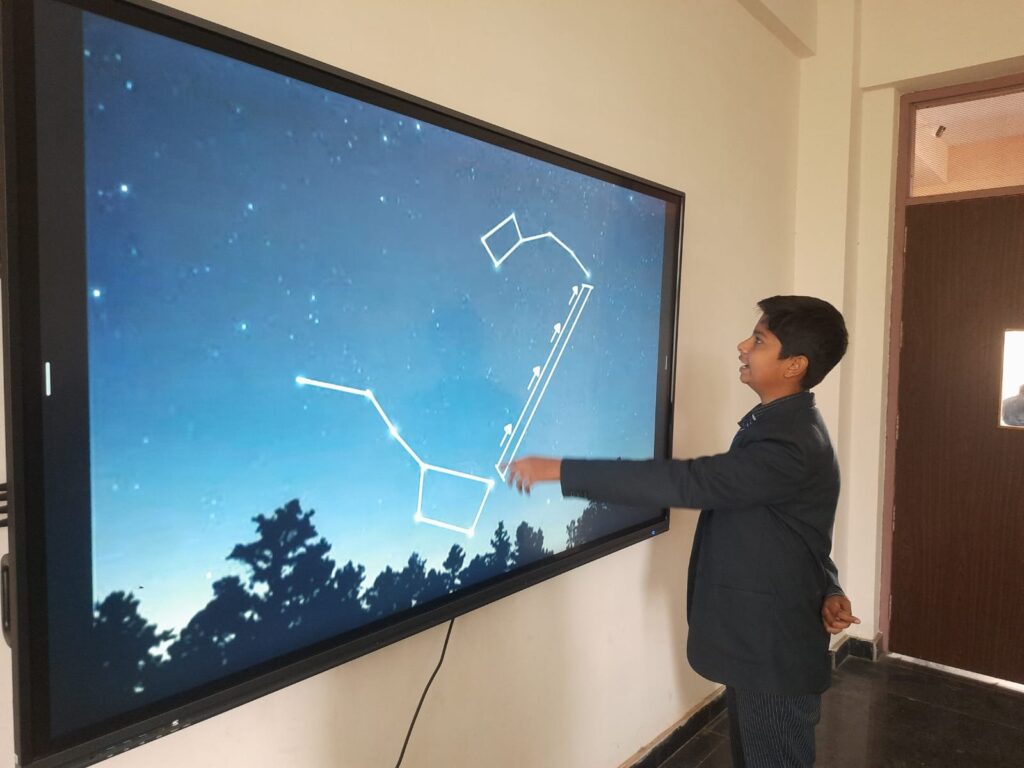
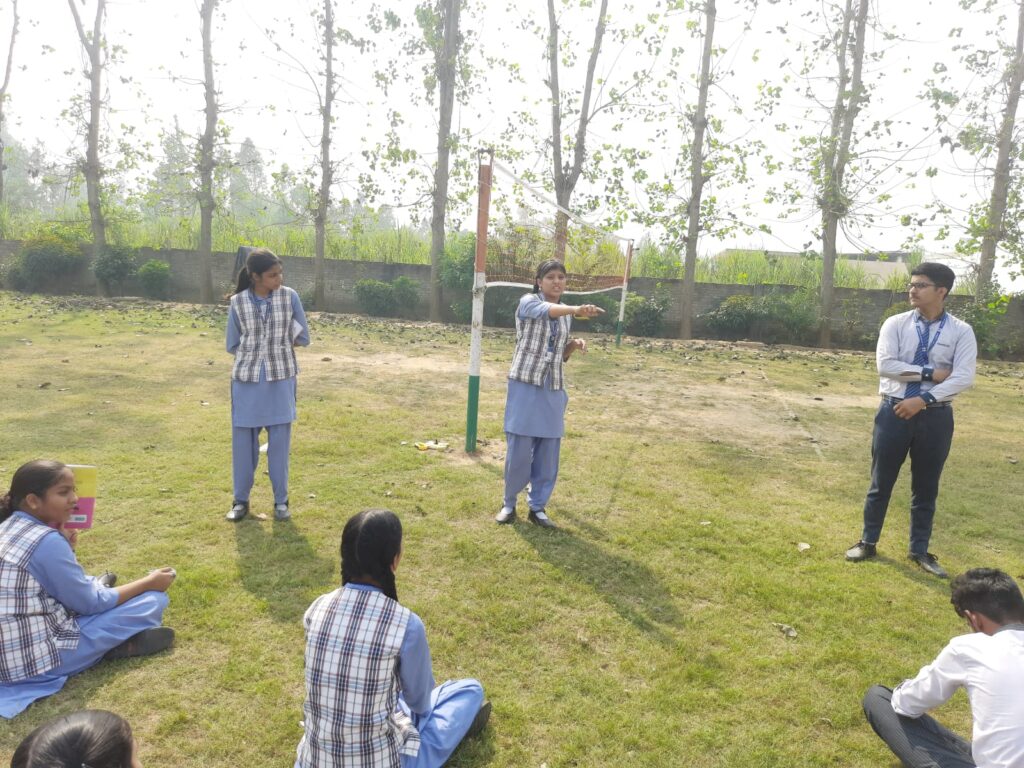
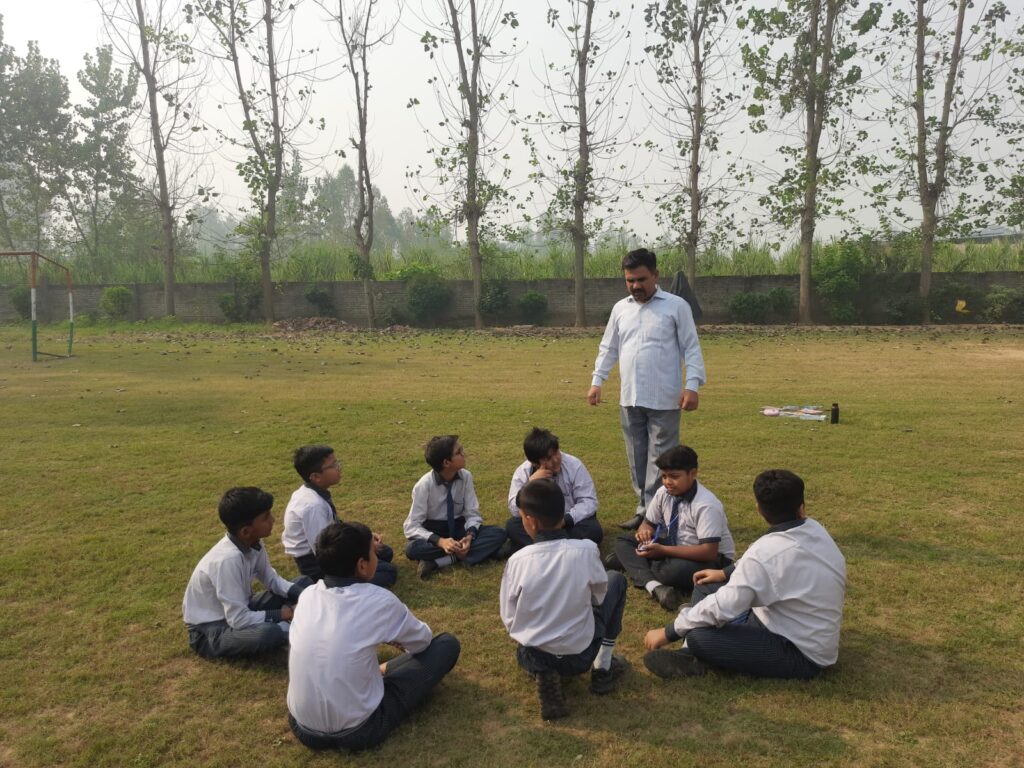
The Astronomy Club at Translam Academy recently conducted an enlightening session where students explored the wonders of the night sky. This engaging session introduced students to the iconic constellations Ursa Major and Ursa Minor, along with practical guidance on identifying the Pole Star in the northern sky.
Objective
The primary goal of the session was to help students understand the significance of constellations in astronomy and teach them how to locate the Pole Star using prominent celestial patterns. The activity aimed to develop students’ observational skills while deepening their appreciation for the cosmos.
Learning Process
During the session, students were guided through the following key points:
Understanding Ursa Major: Students learned that Ursa Major, often known as the Great Bear or the Big Dipper, is one of the most recognizable constellations in the northern hemisphere. They discovered how the seven bright stars in the Big Dipper form a distinct pattern resembling a ladle or a plough.
Exploring Ursa Minor: The instructors then introduced Ursa Minor, also known as the Little Dipper. Students observed how this constellation appears smaller yet plays a vital role in celestial navigation.
Locating the Pole Star: Students were taught a simple yet effective technique to find the Pole Star (Polaris) using Ursa Major. By following an imaginary line extending from the two pointer stars in the Big Dipper’s bowl — Dubhe and Merak — they successfully identified Polaris, the brightest star in Ursa Minor.
Significance of the Pole Star: The session also covered how Polaris remains nearly fixed in the sky due to its alignment with Earth’s rotational axis, making it a crucial reference point for navigation.
Practical Observation
To reinforce their learning, students were encouraged to observe the constellations during a clear evening sky. Guided by their instructors, they successfully identified Ursa Major, traced its pointer stars, and located the Pole Star with confidence.
Student Insights
Students found the session fascinating, with many expressing newfound interest in stargazing and celestial navigation. One student shared, “Learning to spot the Pole Star felt like unlocking a cosmic secret. It’s amazing how these ancient constellations still guide us today.”
Conclusion
The Astronomy Club at Translam Academy continues to foster curiosity and inspire students through hands-on learning experiences. By connecting theoretical concepts with real-life observation, students gained valuable knowledge that deepens their understanding of the universe.
We look forward to more exciting explorations as our young astronomers continue their cosmic journey!
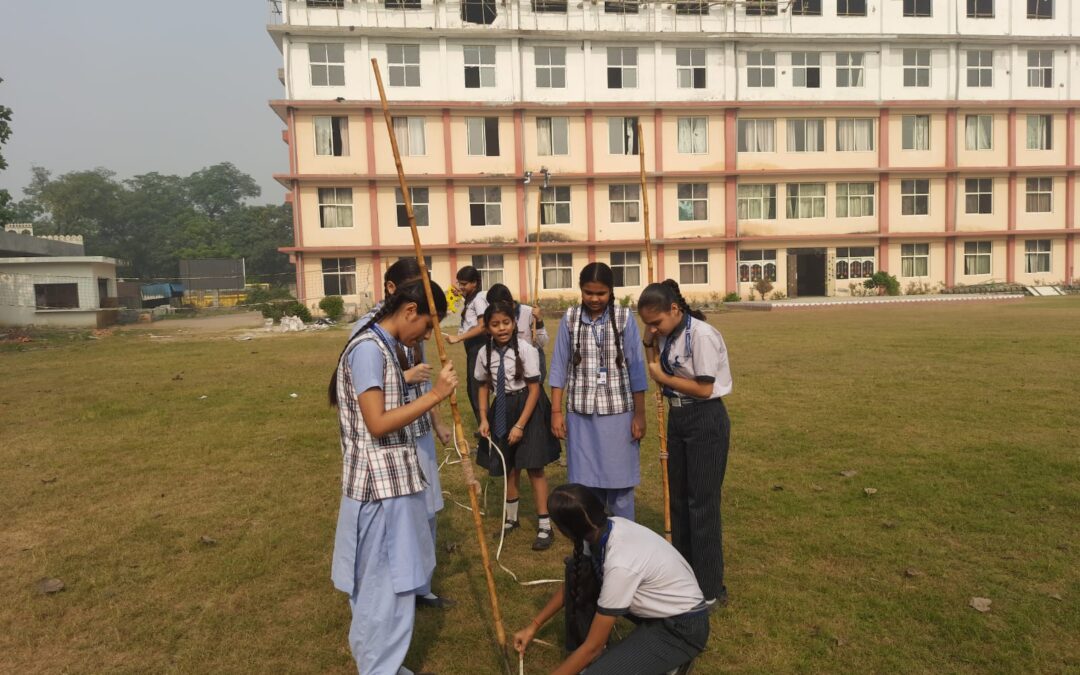
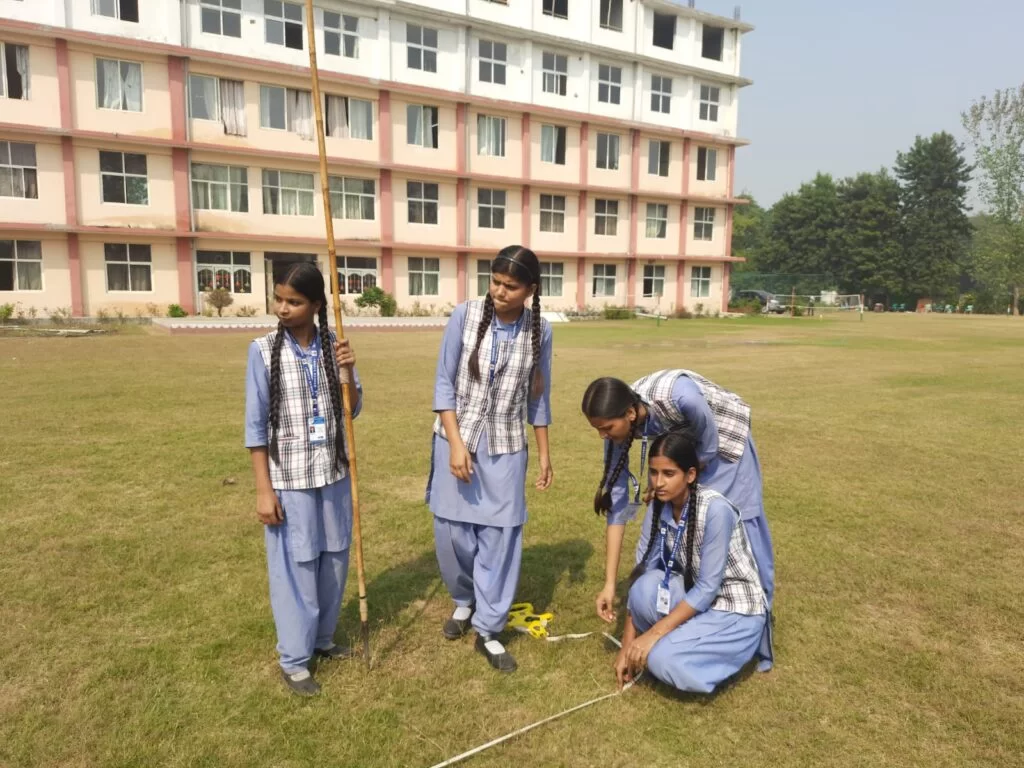
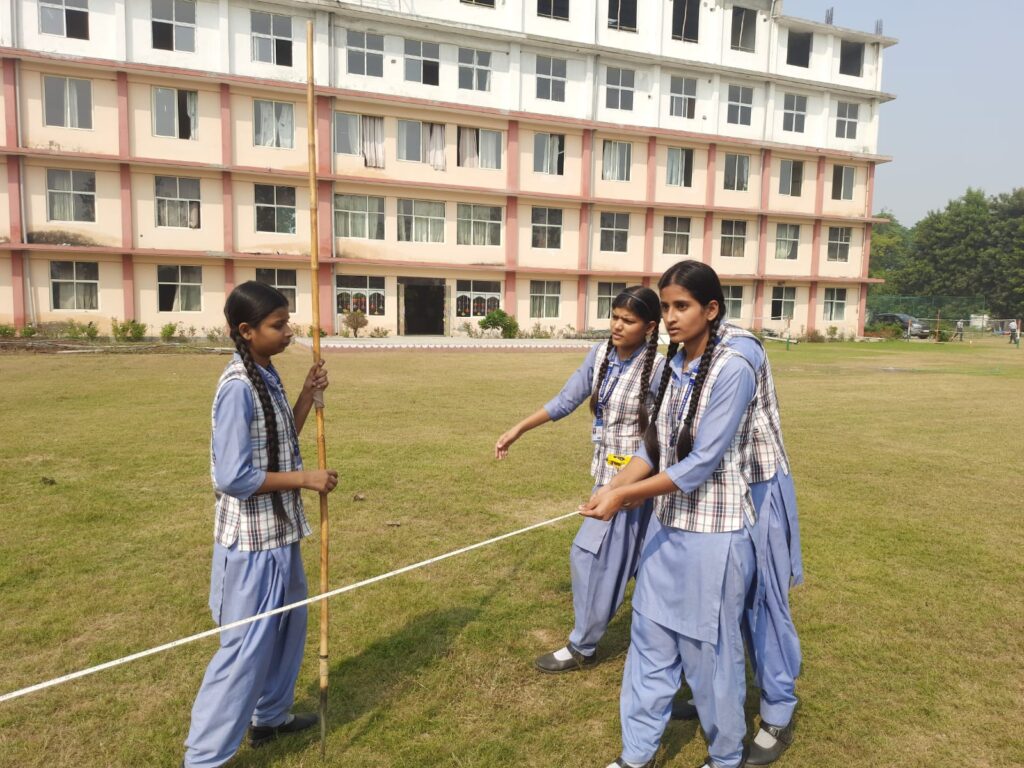
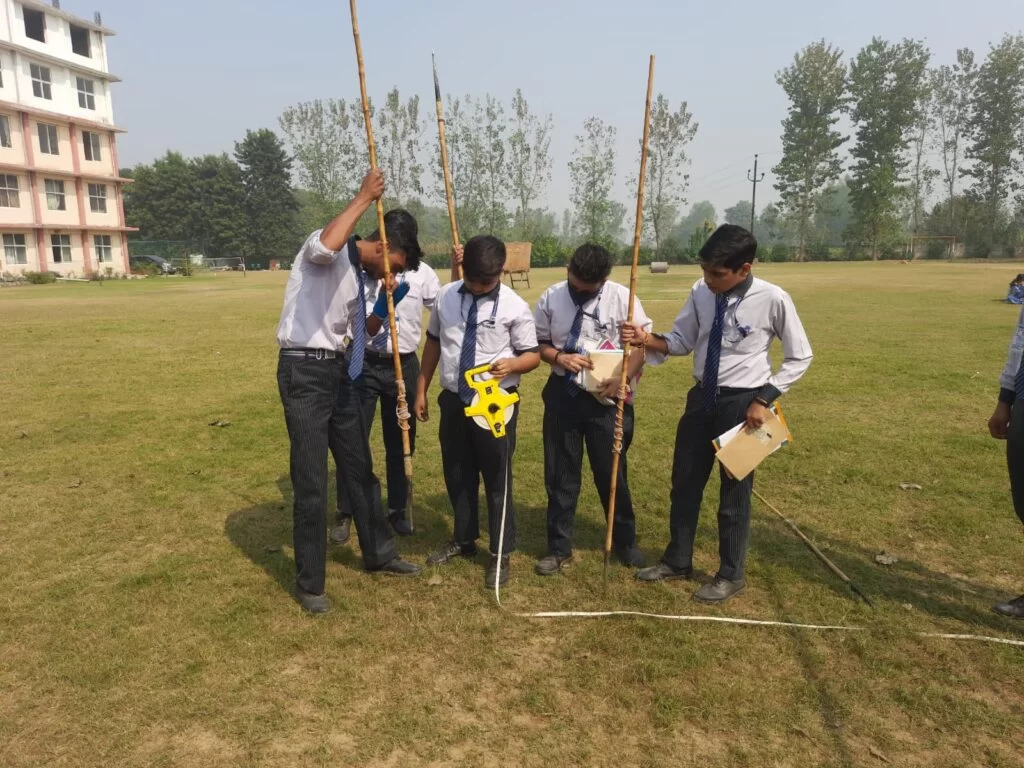
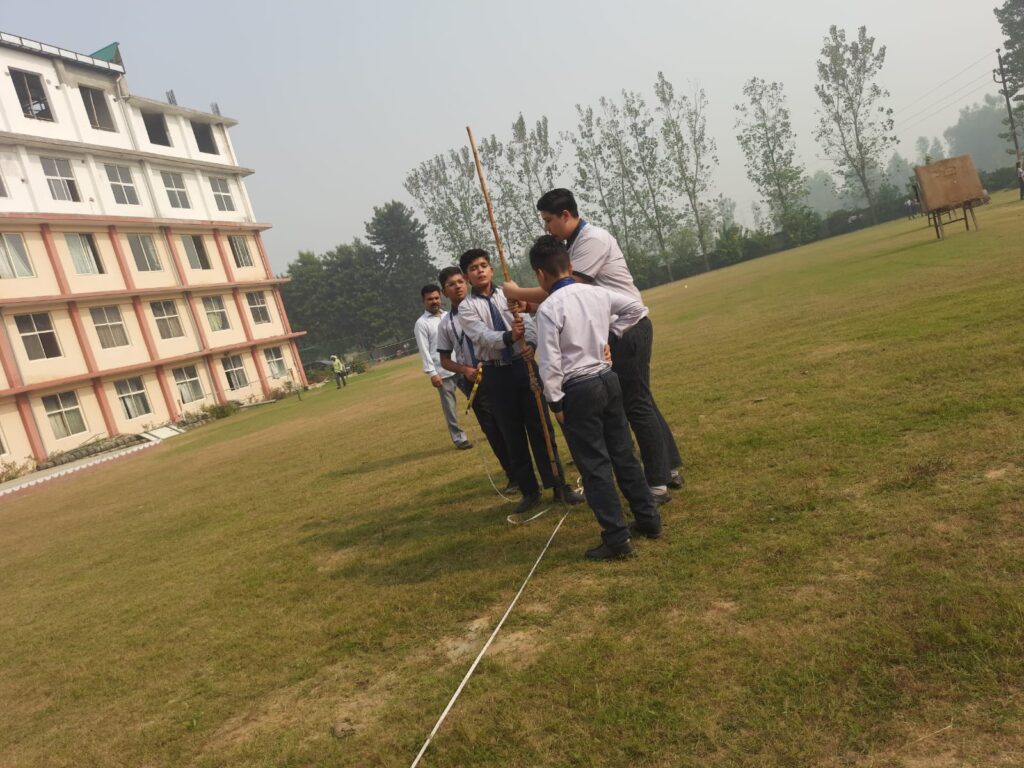
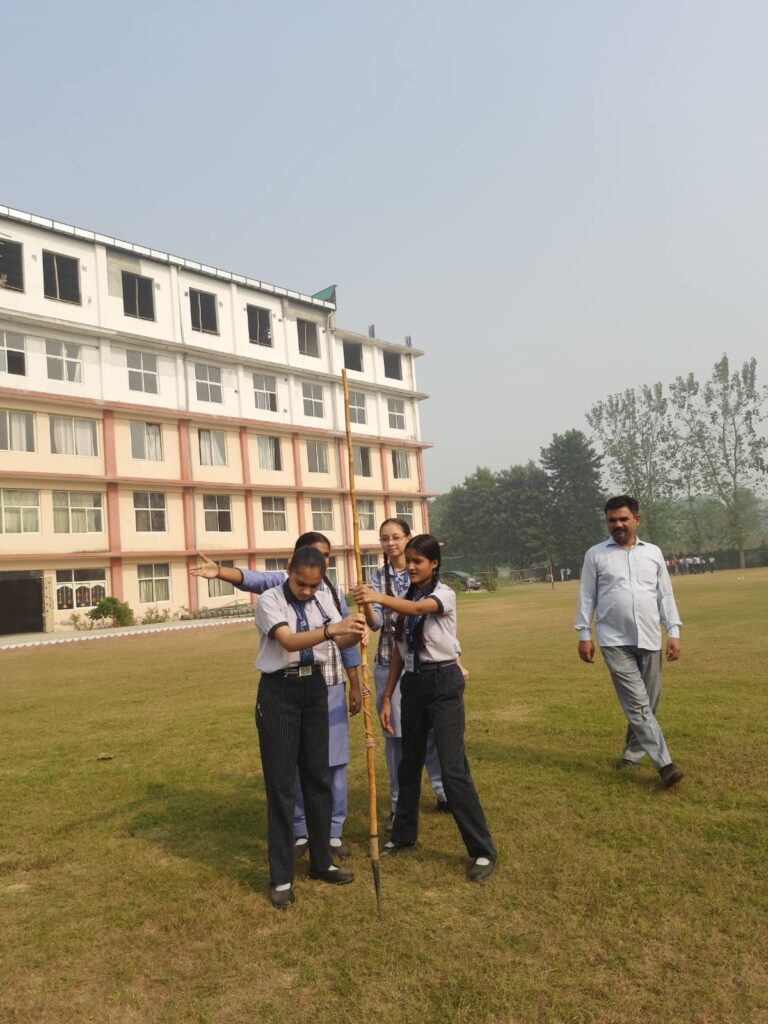
At Translam Academy, students from the Astronomy Club had an exciting and educational session focused on the practical applications of estimation in real life. As part of their learning experience, students participated in an engaging hands-on activity where they successfully estimated the width of an imaginary river without crossing it, using the principles of mathematics and congruent triangles.
Objective
The primary objective of this activity was to help students understand the significance of estimation and demonstrate how mathematical concepts can be applied to solve real-world problems. The exercise was designed to enhance students’ analytical thinking, problem-solving skills, and teamwork.
Methodology
The students were introduced to the concept of congruent triangles, a fundamental principle in geometry. The instructors explained how congruent triangles maintain identical shape and size, enabling indirect measurements with precision.
To estimate the width of the imaginary river, students followed these steps:
Selecting Reference Points: Students identified two points, Point A on one side of the river and Point B directly opposite it on the other side.
Creating a Parallel Baseline: A parallel baseline was marked on the same side of the river as Point A.
Measuring Distances: Students measured a fixed distance along this baseline to establish a third point, Point C.
Aligning Sightlines: A fourth point, Point D, was located such that the line from Point D to Point C was parallel to the imaginary riverbank, ensuring alignment with Point B.
Using Congruent Triangles: By establishing two congruent triangles (one on each side of the baseline), students applied mathematical ratios to calculate the estimated width of the river.
Results
The students calculated the river width using the formula derived from corresponding sides of congruent triangles. The results were impressively close to the intended target measurement, showcasing the accuracy achievable through mathematical estimation techniques.
Learning Outcome
This engaging activity not only reinforced students’ understanding of geometry but also encouraged critical thinking and creative problem-solving. By combining theoretical knowledge with hands-on practice, students gained valuable insights into how mathematics can be used beyond the classroom.
Student Reflections
Many students expressed excitement about the activity, noting how practical applications like this help them better grasp mathematical concepts. One student remarked, “It was amazing to see how geometry can solve real-world problems so effectively.”
Conclusion
The Astronomy Club at Translam Academy continues to inspire students through innovative learning experiences that connect scientific principles to everyday life. This activity demonstrated that mathematics is not just about numbers on paper but a powerful tool for understanding and exploring the world around us.
We look forward to more such insightful sessions as we continue to nurture curiosity and foster a love for learning in our students.
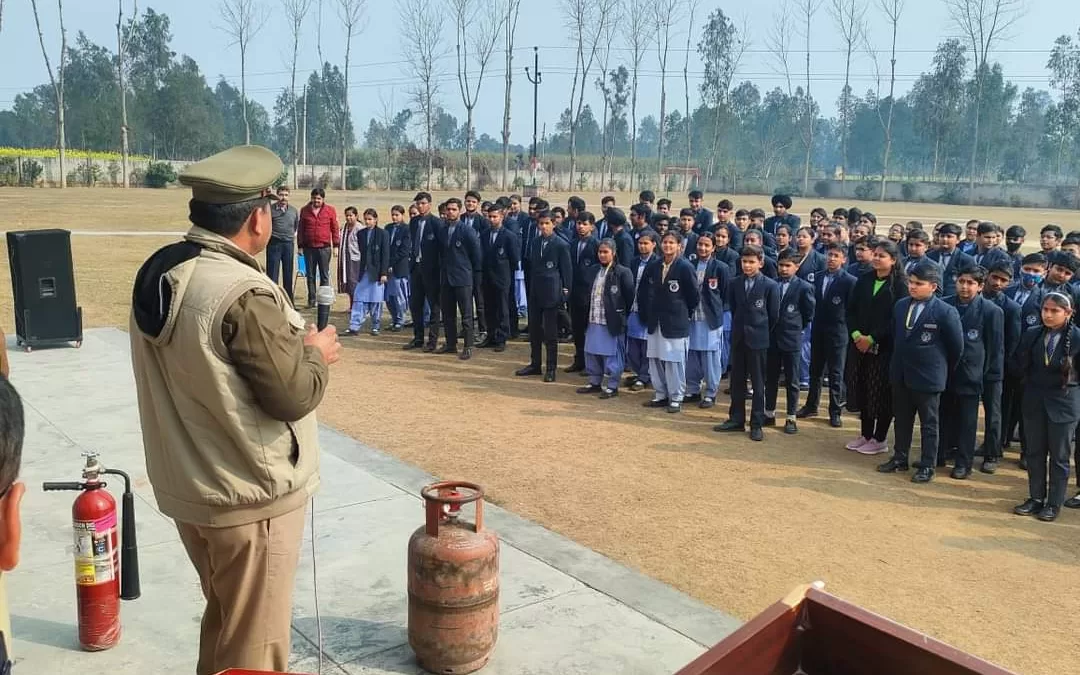
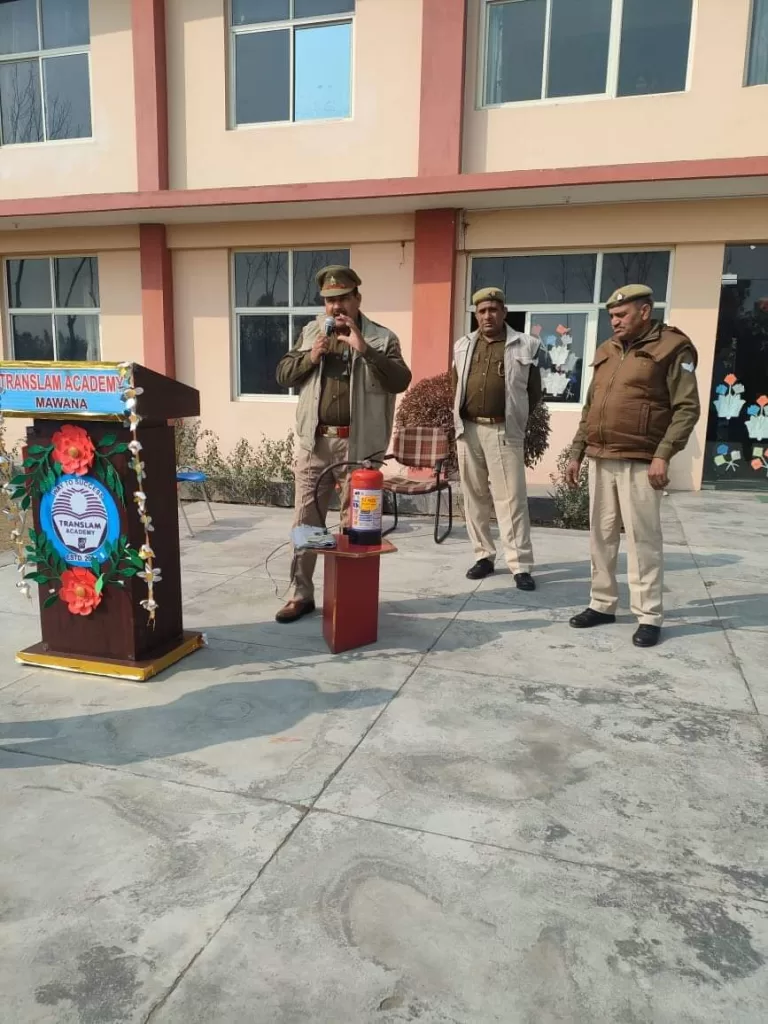
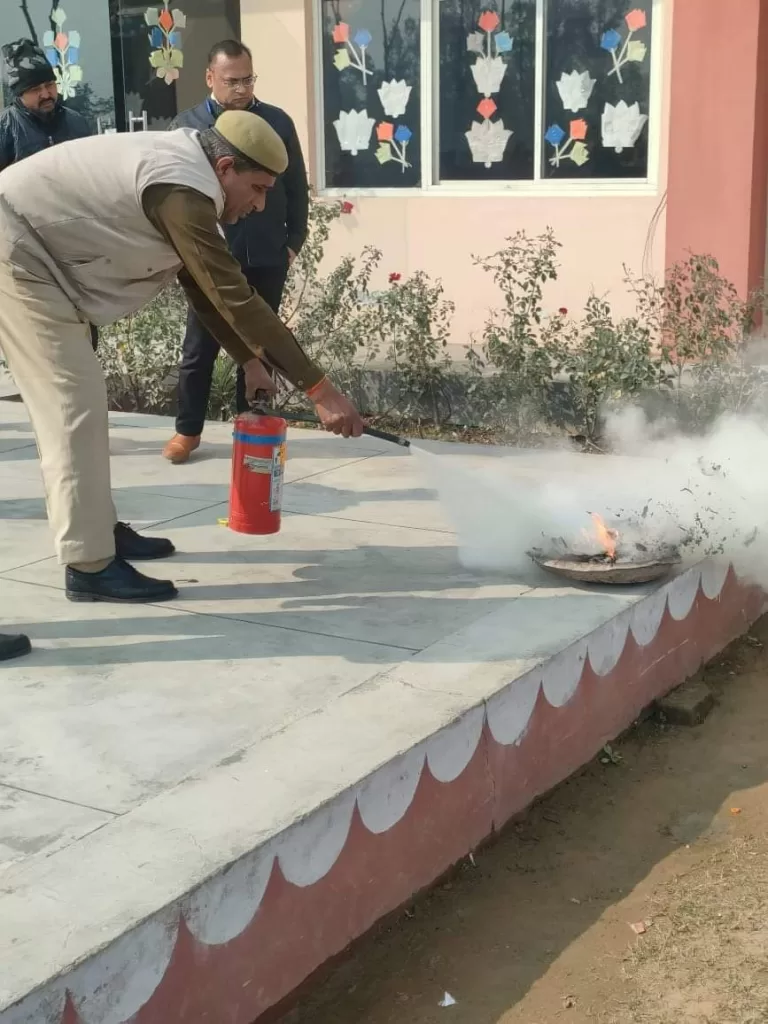
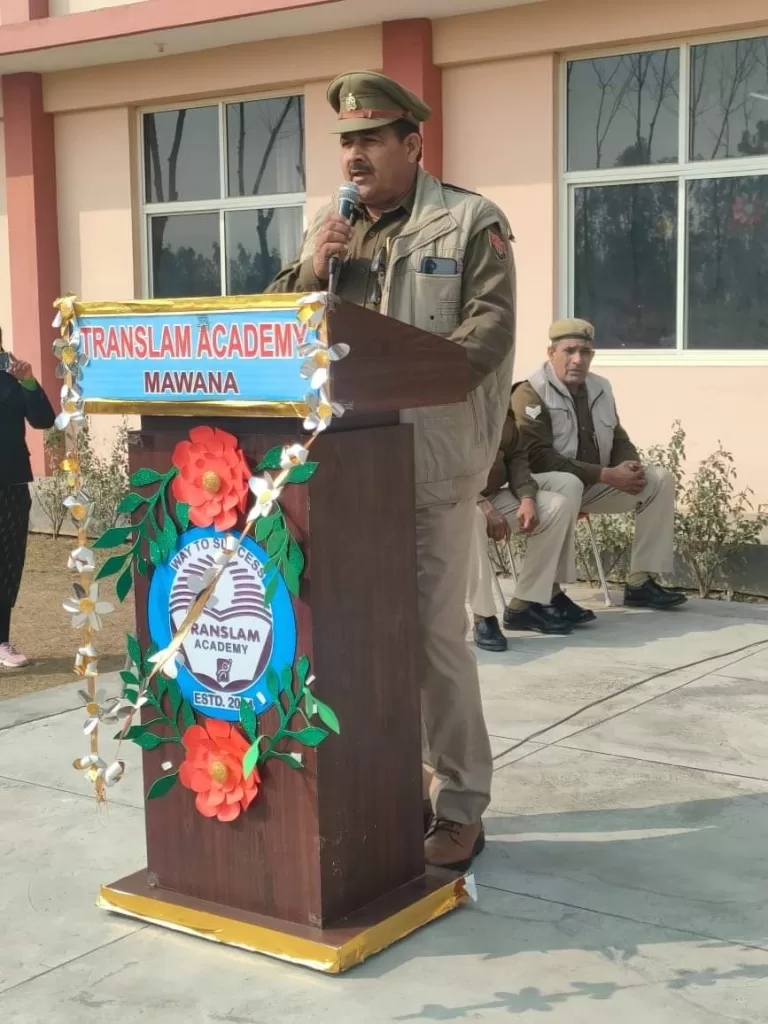
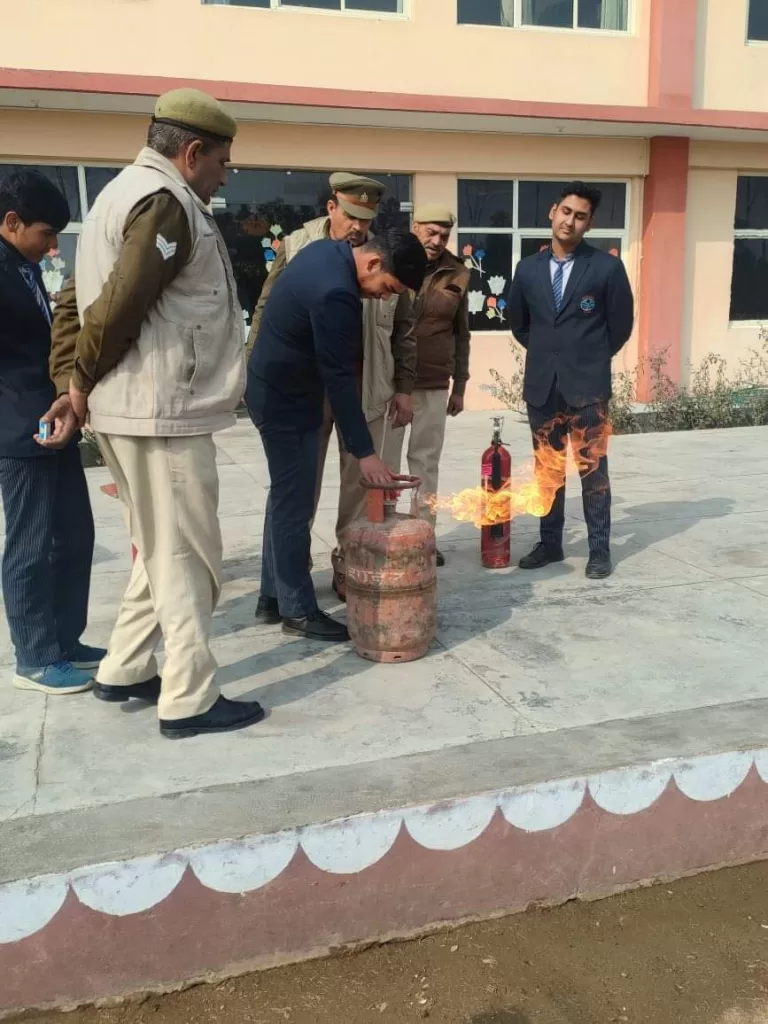
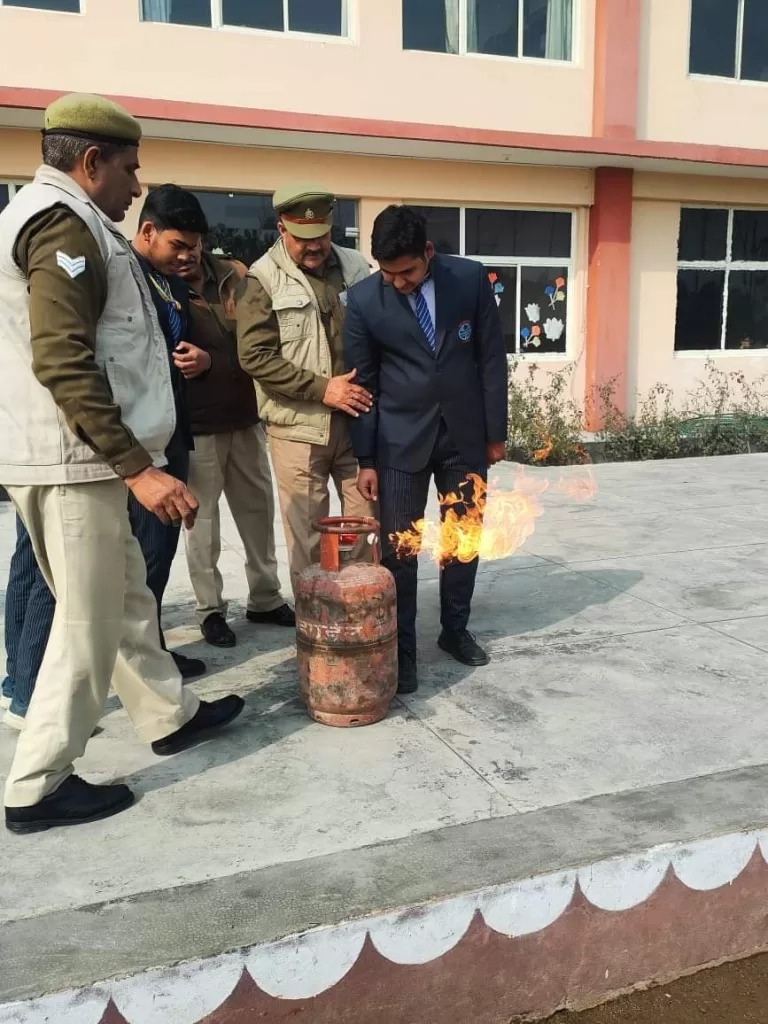
A fire extinguishing training program was held in Translam Academy Mawanal today to make the students aware about the types of fire and how to deal with them. Training was given by Mr. Pramod Tomar (Fire Inspector, Mawana) and other experts.
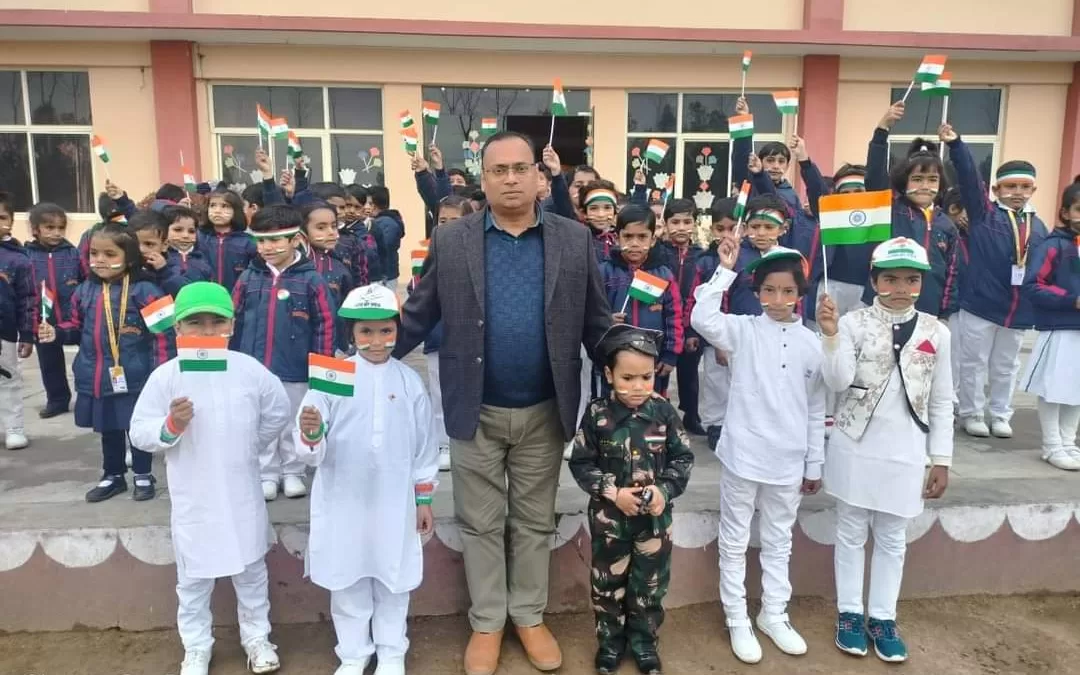
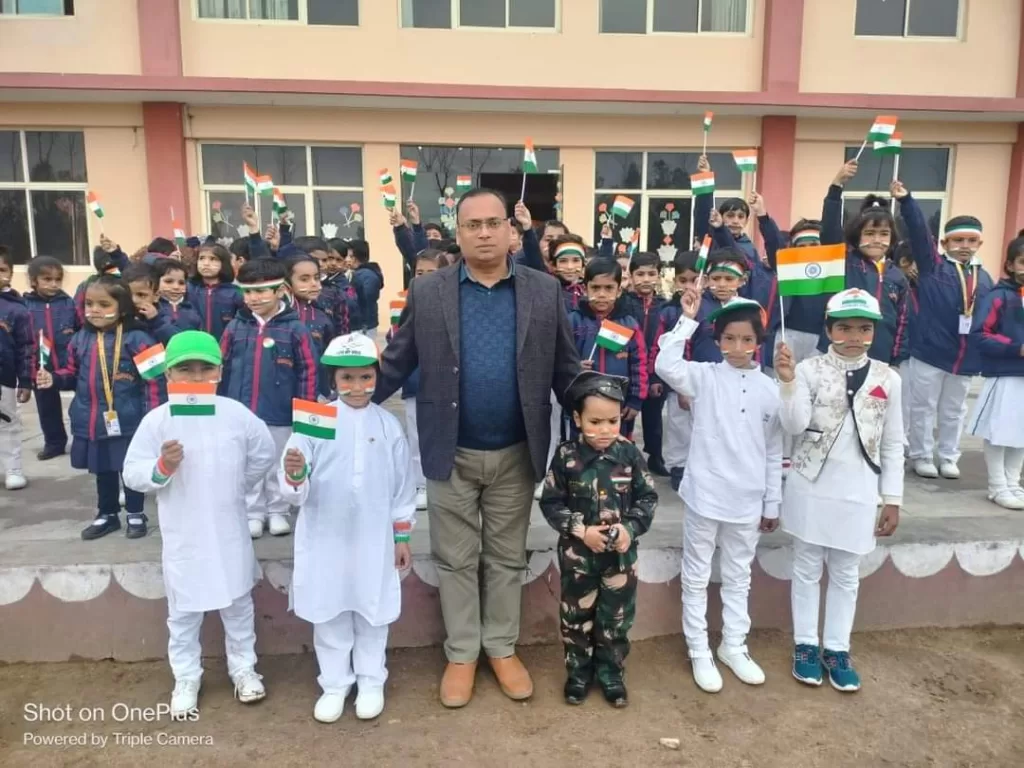
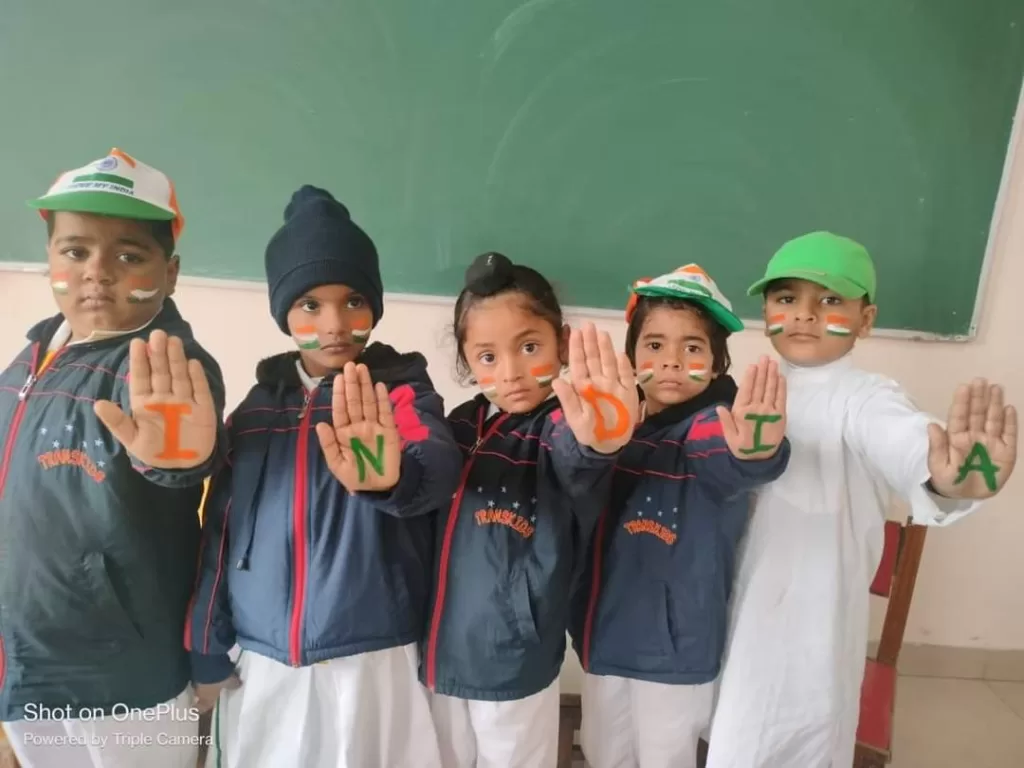
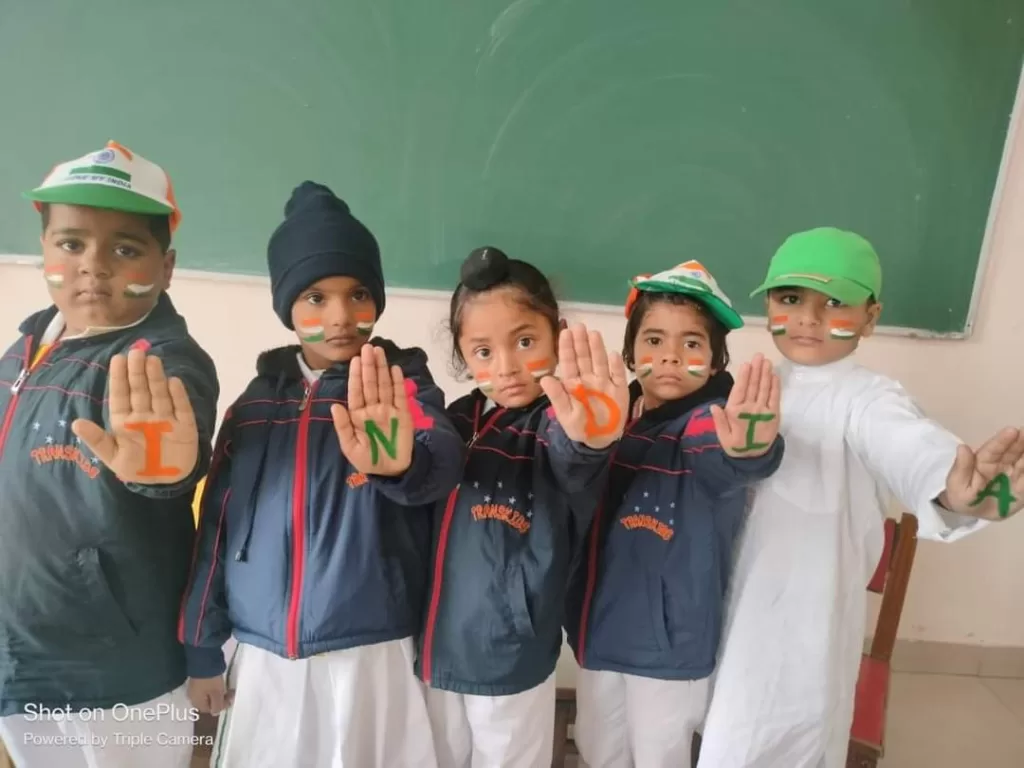
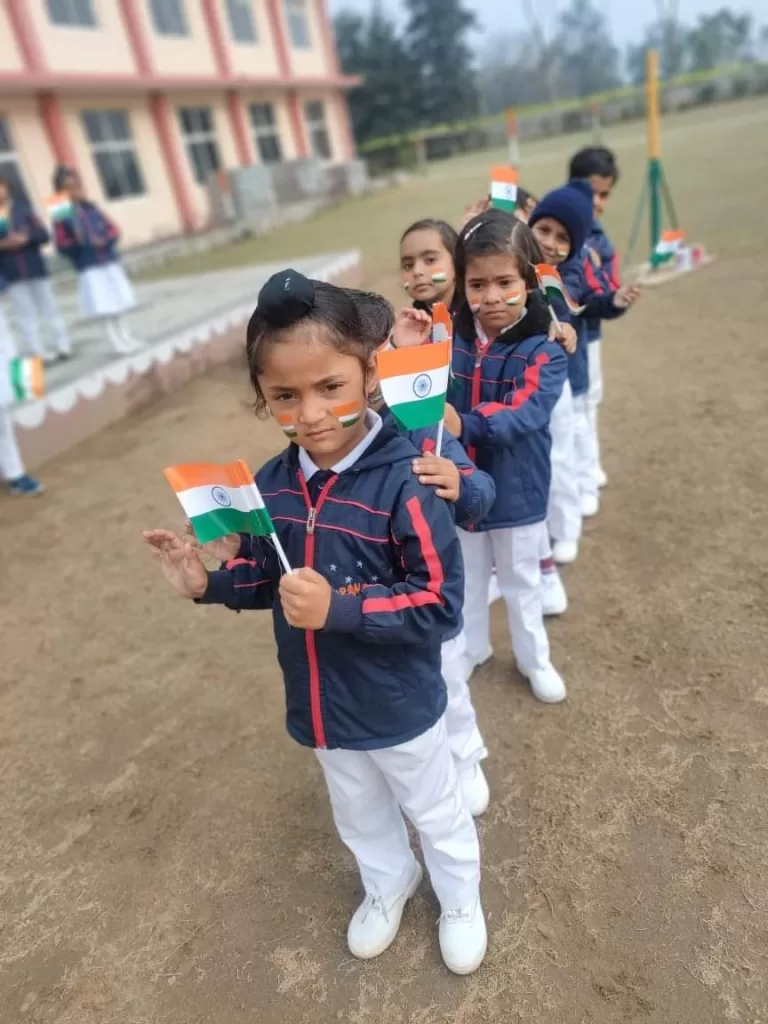
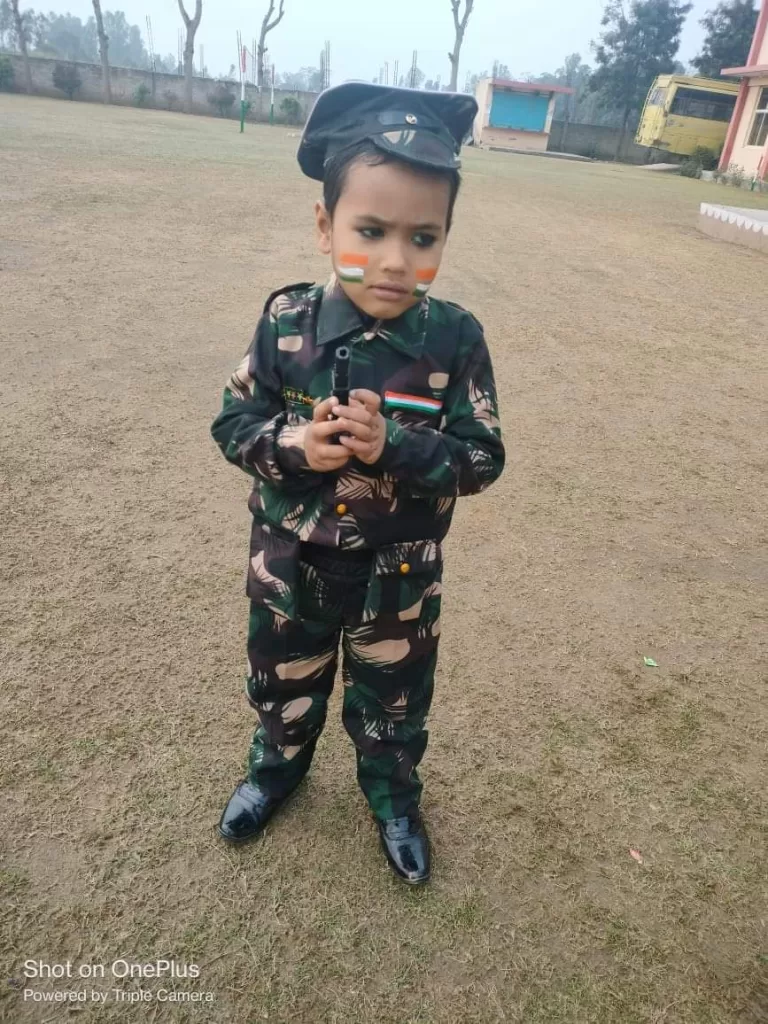
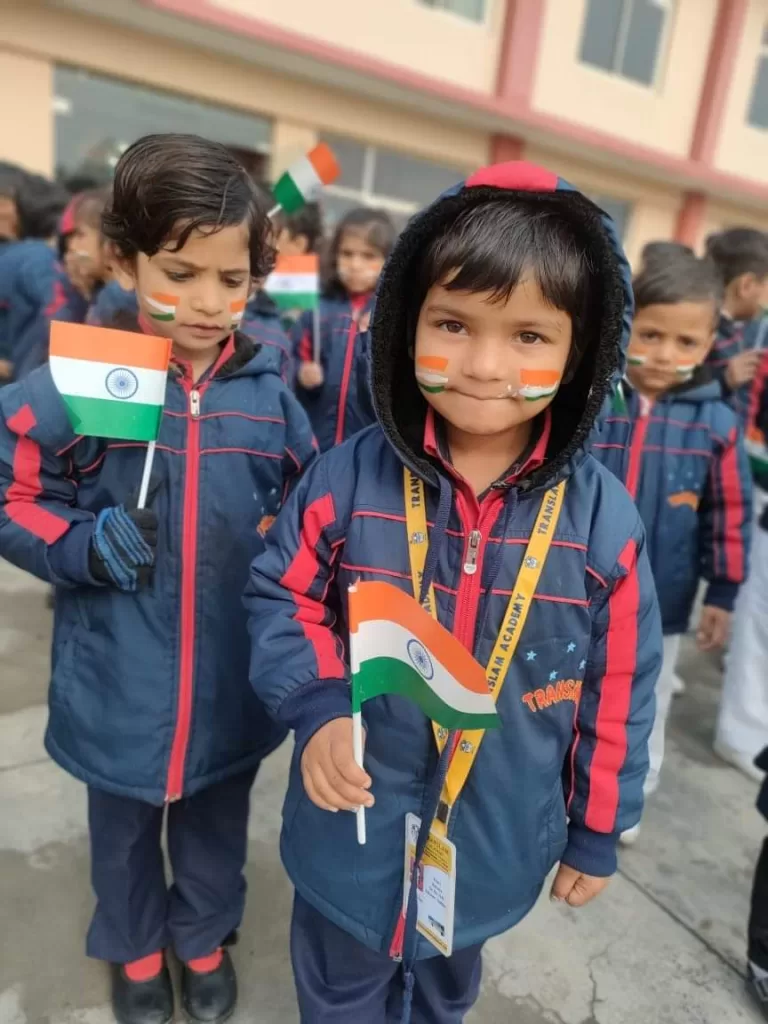
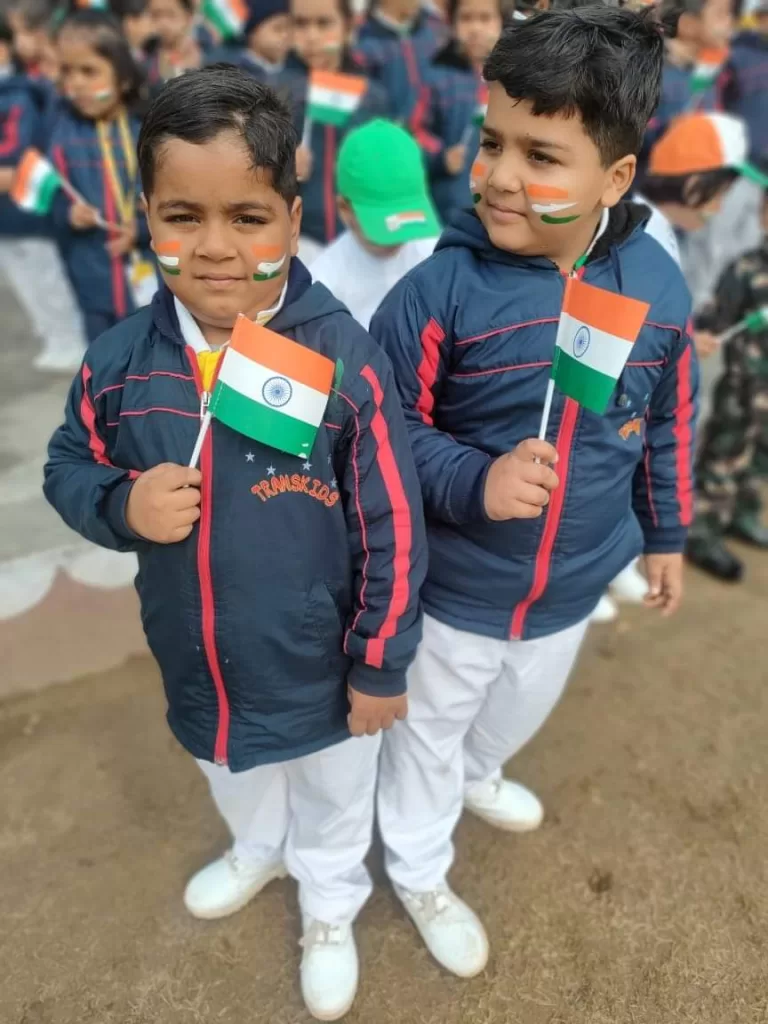
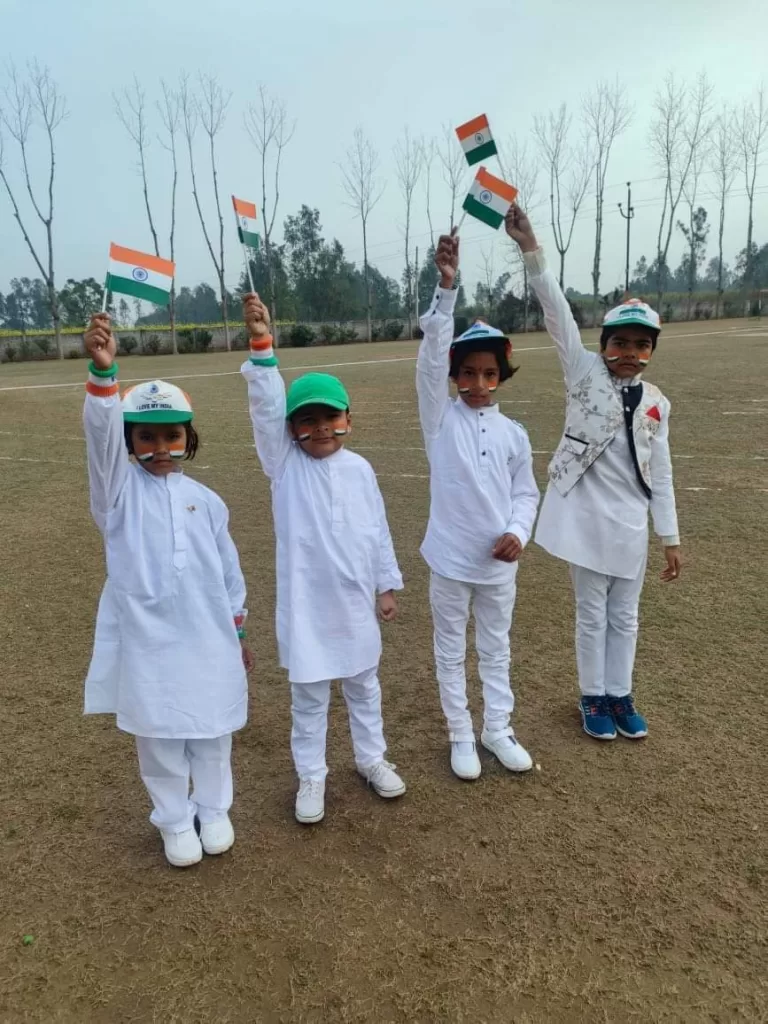
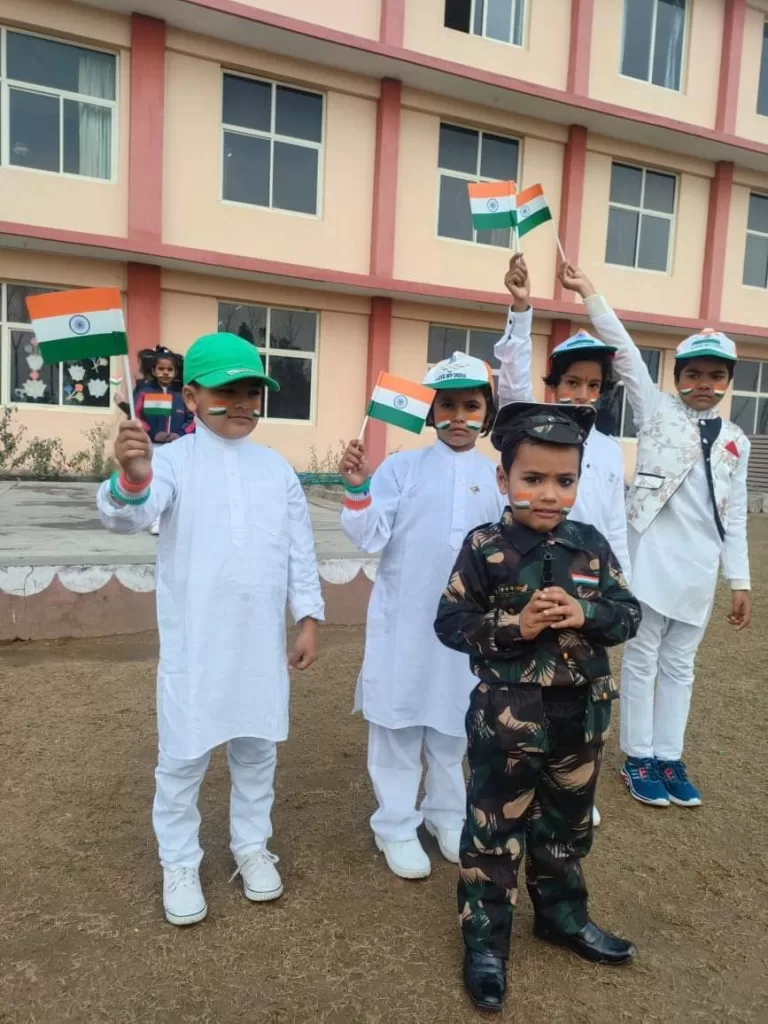
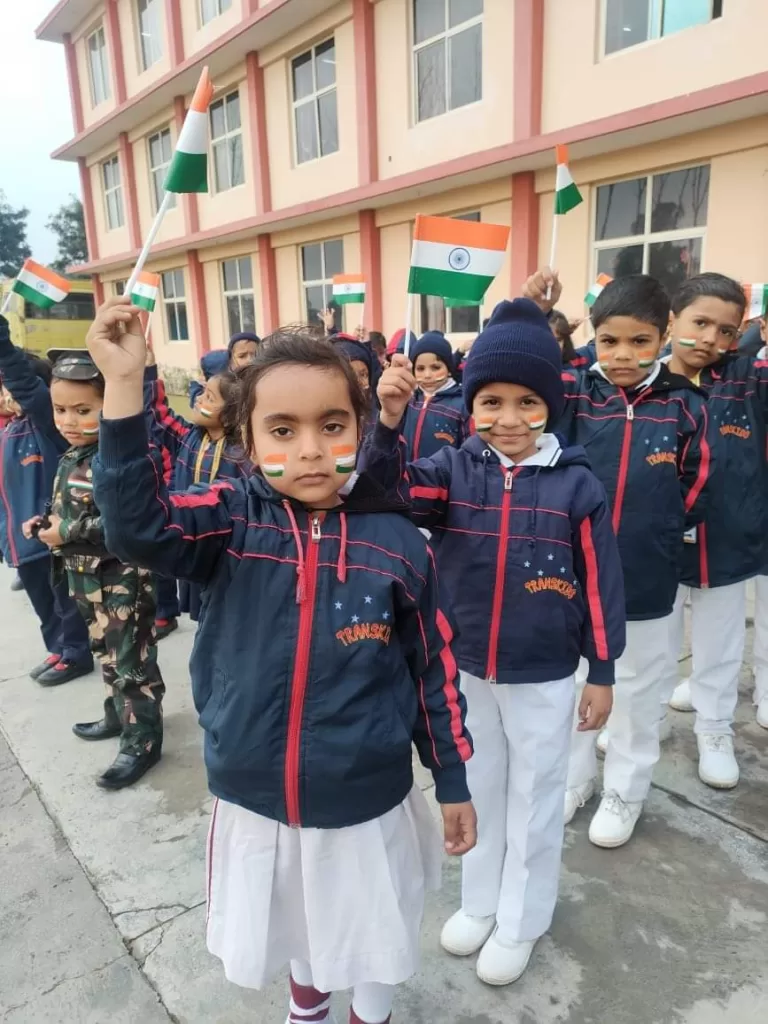
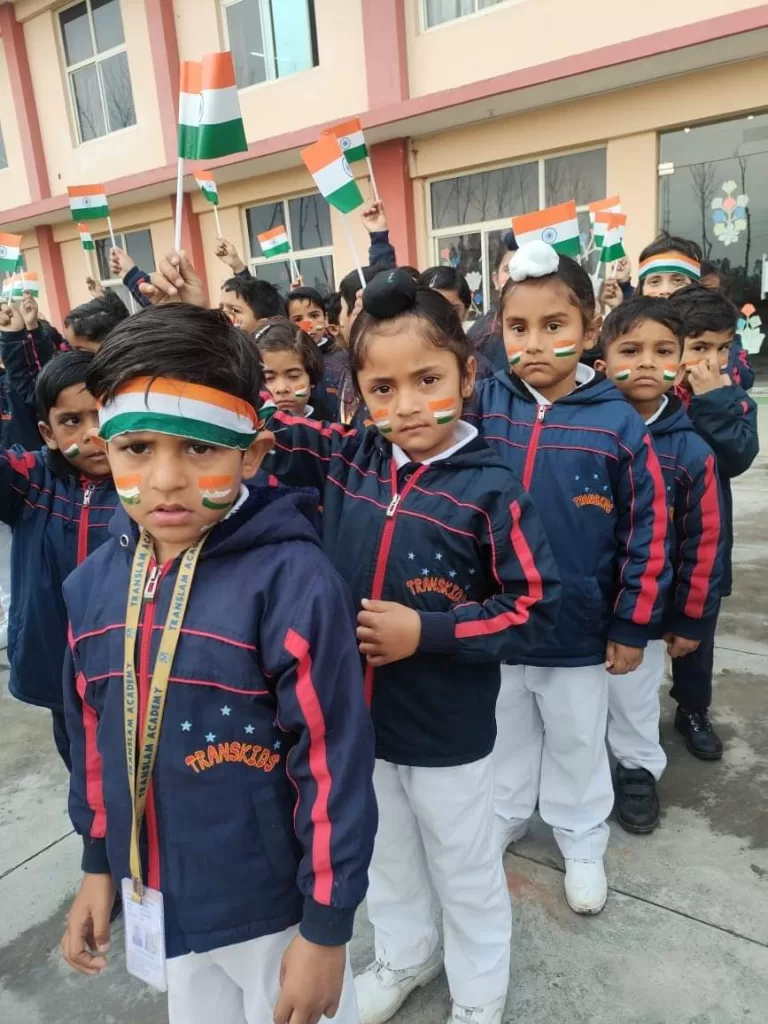
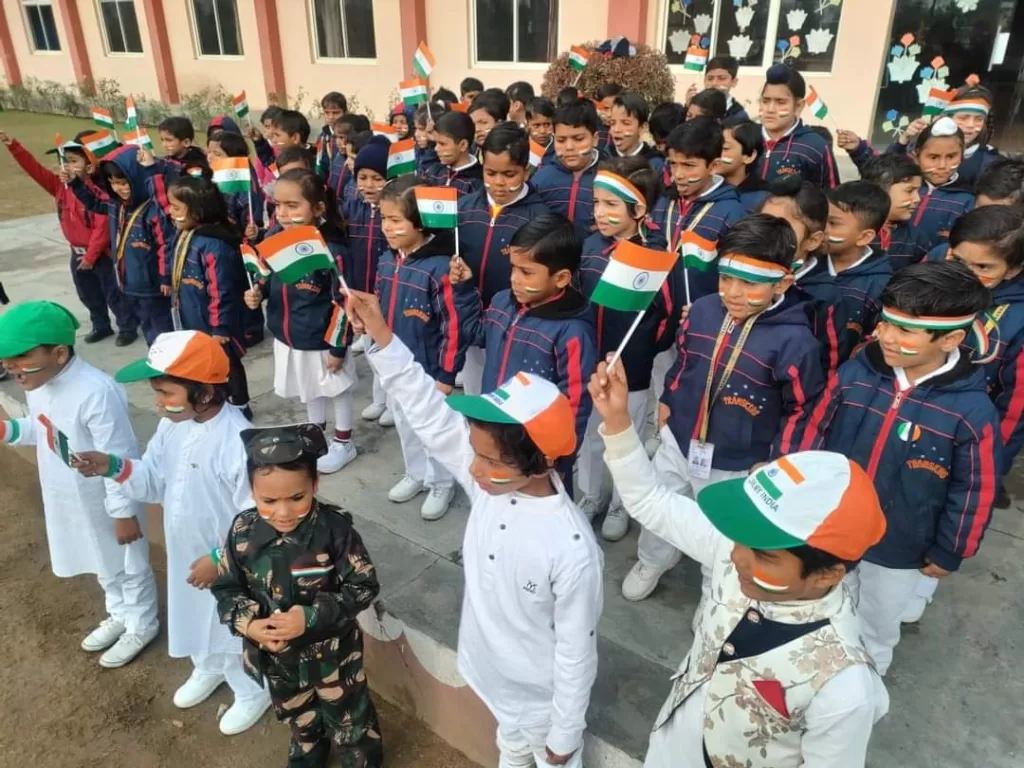
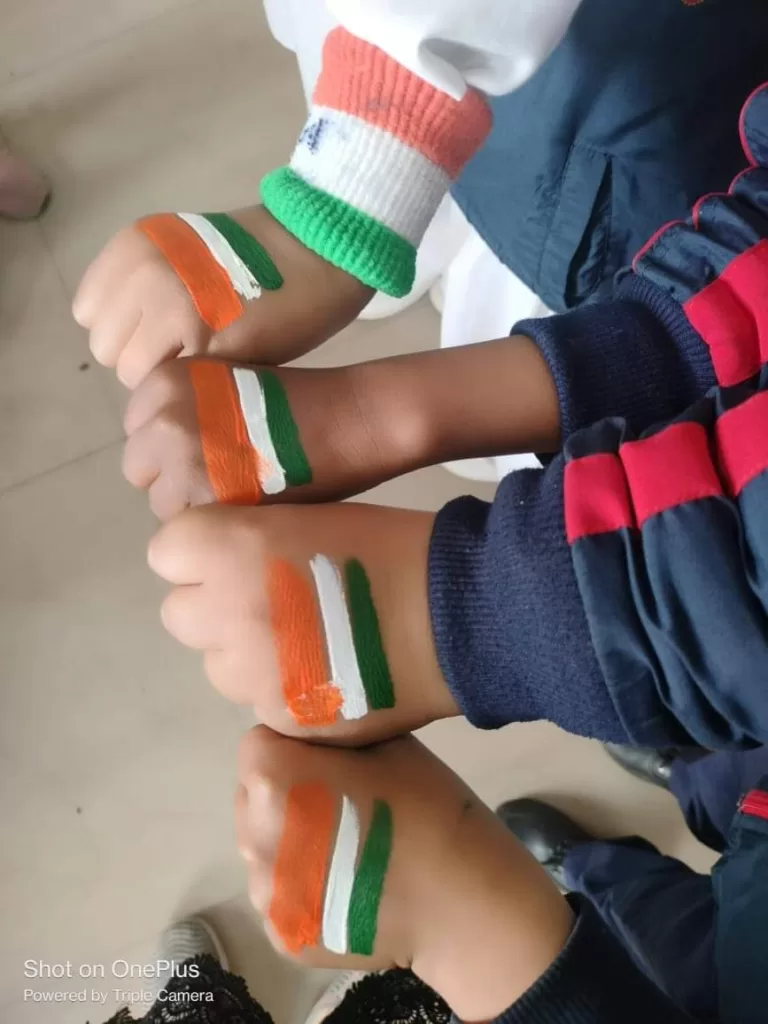
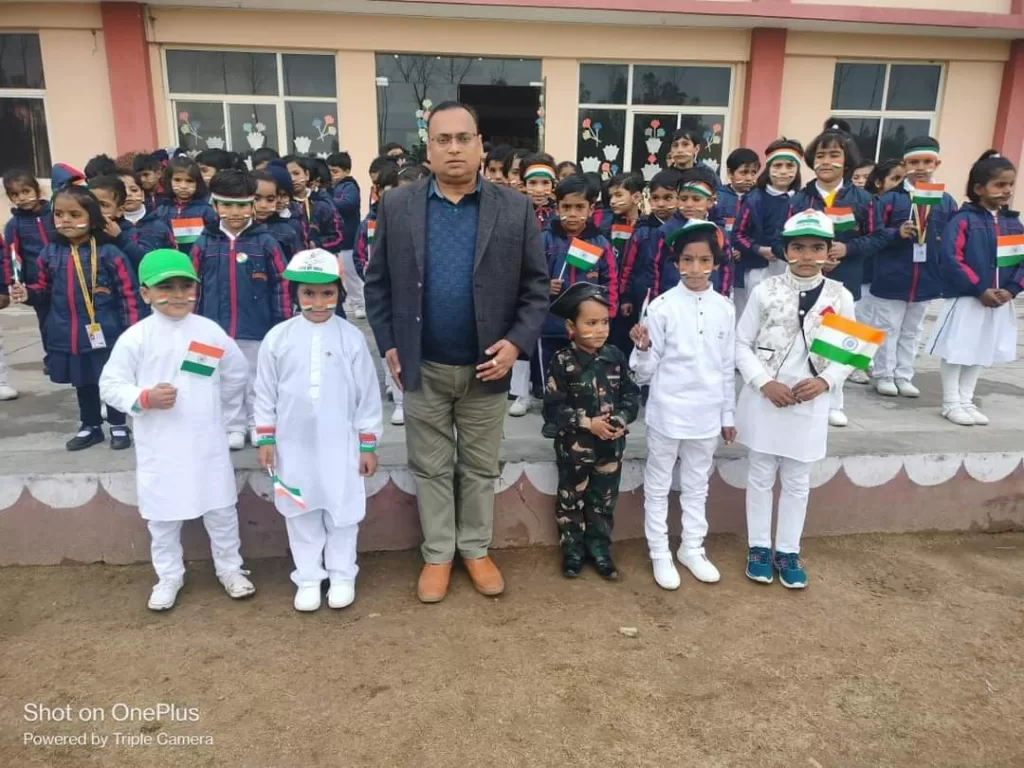
On this special occasion, let us make a promise to our motherland that we will do all we can to enrich and preserve our heritage and our national ethos. Our little Translamians celebrating 74th Republic Day with great enthusiasm.
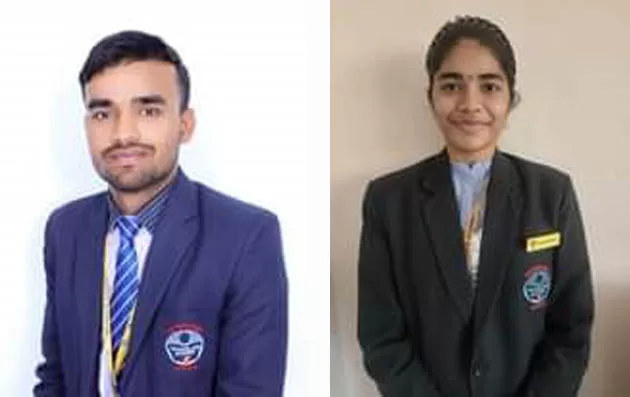
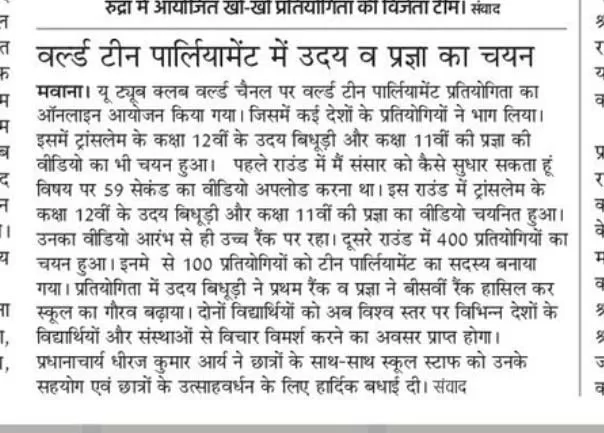
The World Teen Parliament Competition was organized online on YouTube ‘Blub World Channel’ through the world class organization ‘World Teen Parliament’. In which contestants from India and abroad participated from UAE, India, Bangladesh, Nepal, Bhutan, Spain, Malaysia, Syria etc. There were two rounds of the competition. In which the first round had to upload a video of 59 seconds on the topic “How can I improve the world”. Videos of Uday Bidhuri of Class 12 and Pragya of Class 11 were selected for TRANSLAM in this round. His selected videos have been ranked high since inception. The second round was the voting round. in which 400 contestants were selected. The selection committee included Mr. Heroy Clarke – Member of Parliament St. James Central Republic of Jamaica, Prof. James Toole, Vice President of the University of Buckingham (England), Mr. M.R. Rangaswamy, Founder of Indiaspora, CEF & Sand Hill Group, San Francisco, California, United States of America, Mr. Daksh Gaur was the founder of Blub World and the World Teen Parliament.Out of the selected 400 contestants, 100 contestants were made members of the Teen Parliament. In this parliament, students from many other countries including Indonesia, Malaysia, Spain, UAE, Nepal, Bangladesh, Bhutan have been selected by election. Uday Bidhuri made the school proud by securing first rank and Pragya 20th rank in this competition.Both students will now have the opportunity to interact with students and organizations from different countries globally and prepare projects to solve global and local problems identified by the United Nations. Funding will be done to the selected projects thereafter. The school staff congratulated the students on this wonderful achievement. School Principal Mr. Dheeraj Kumar Arya also heartily congratulated the students as well as the school staff for their cooperation and encouragement of the students. School Manager Mr. Seemant Jain heartily congratulated the selected students and wished them good luck for their bright future.